
Reflecting on My Journey with Ubuntu
When I first started using Ubuntu many years ago, it was an intriguing yet somewhat challenging experience. The open-source platform offered a refreshing alternative to other operating systems, especially for those who sought freedom and customization. Back in those days, my early encounters with Ubuntu were marked by the thrill of exploring new possibilities, but also by a number of hurdles. The installation process could be daunting, hardware compatibility issues were common, and the software repository, while growing, sometimes lacked the breadth found in other ecosystems.

The Evolution of Ubuntu
Fast forward to today, and Ubuntu has undergone significant transformation. The latest versions are incredibly polished and user-friendly. Here are some of the key improvements I’ve noticed over the years:
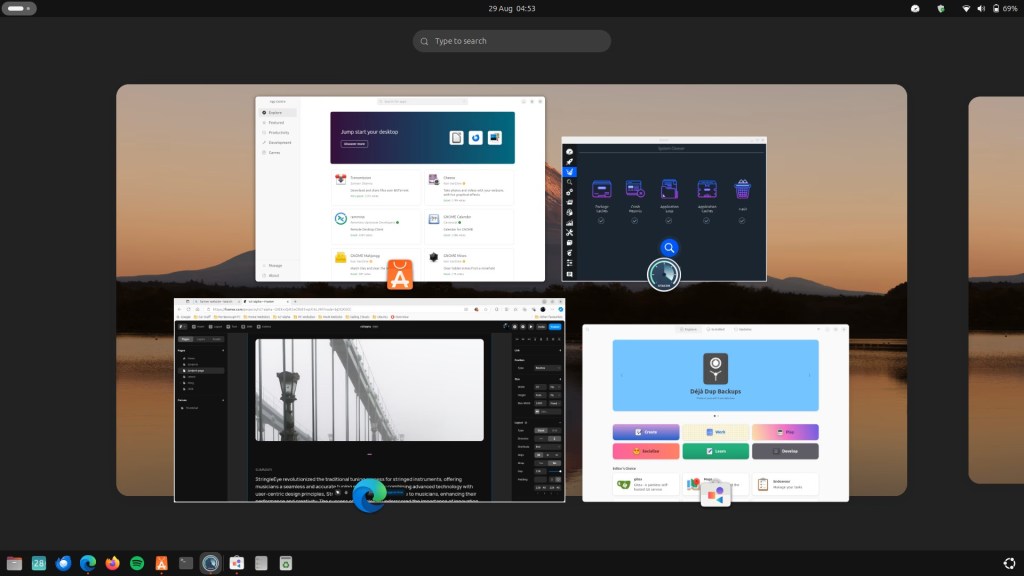
- User Interface Enhancements: The GNOME desktop environment has been refined, providing a sleek and intuitive interface. The transition from Unity to GNOME has made navigation smoother and more straightforward.
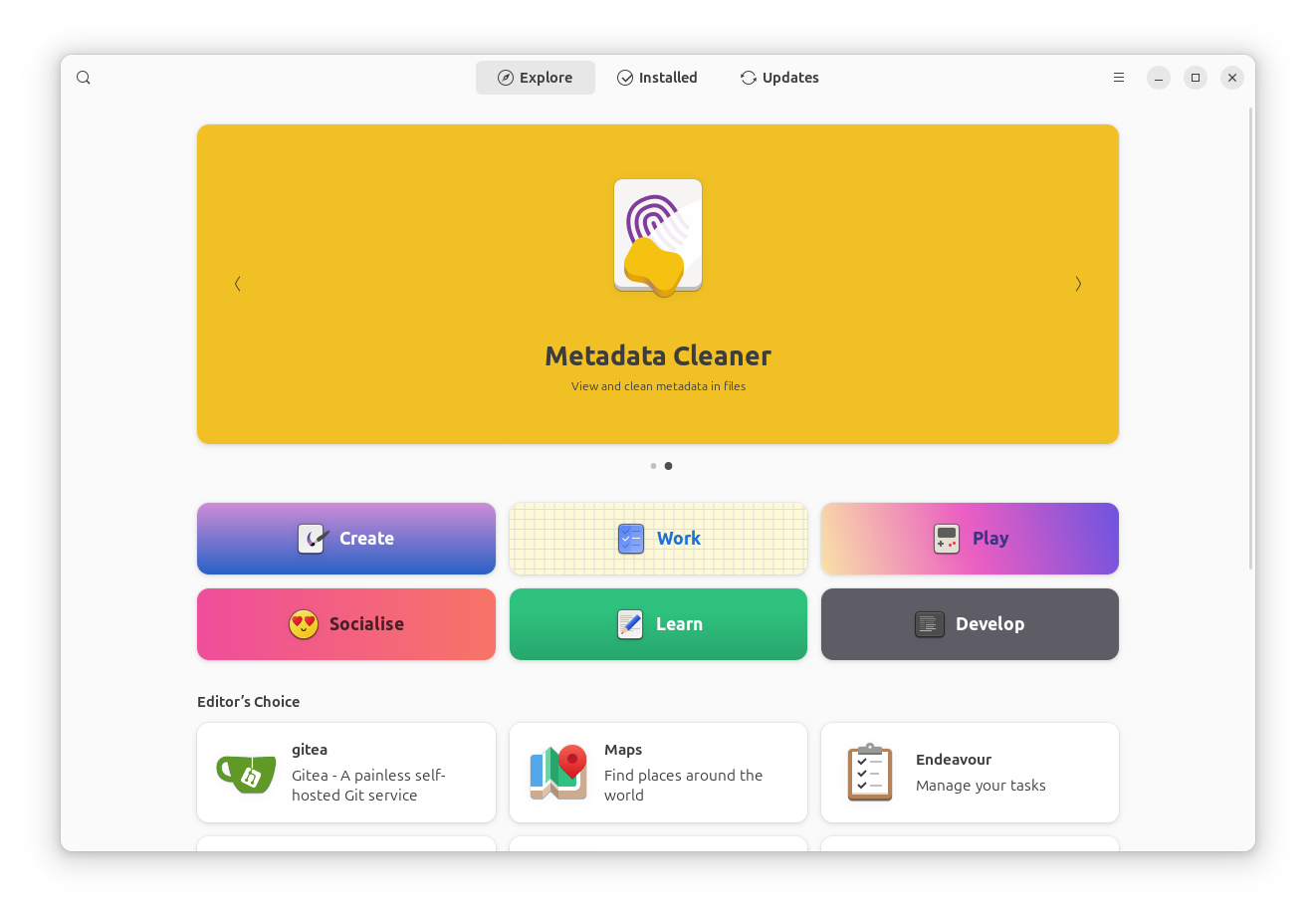
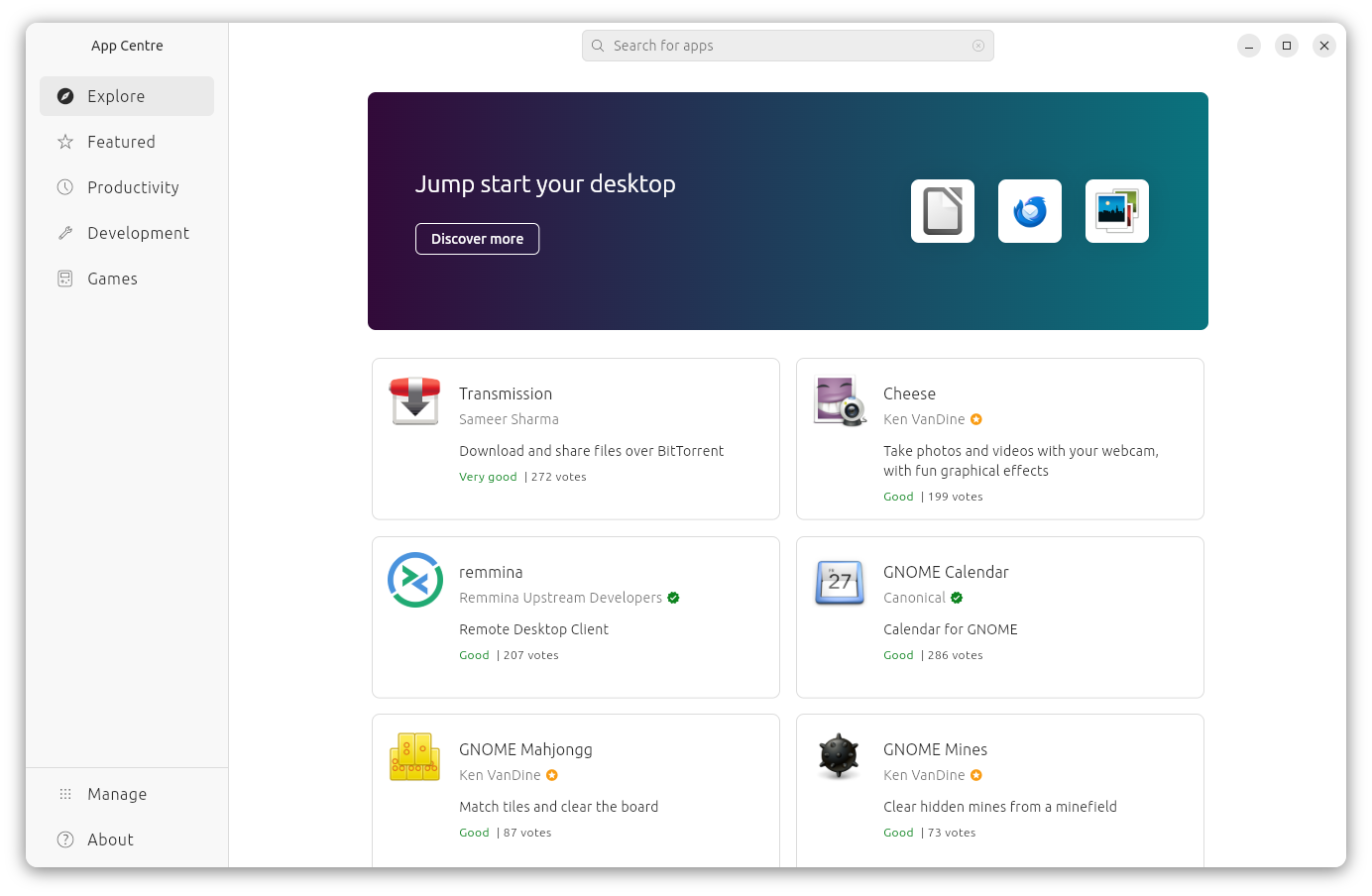
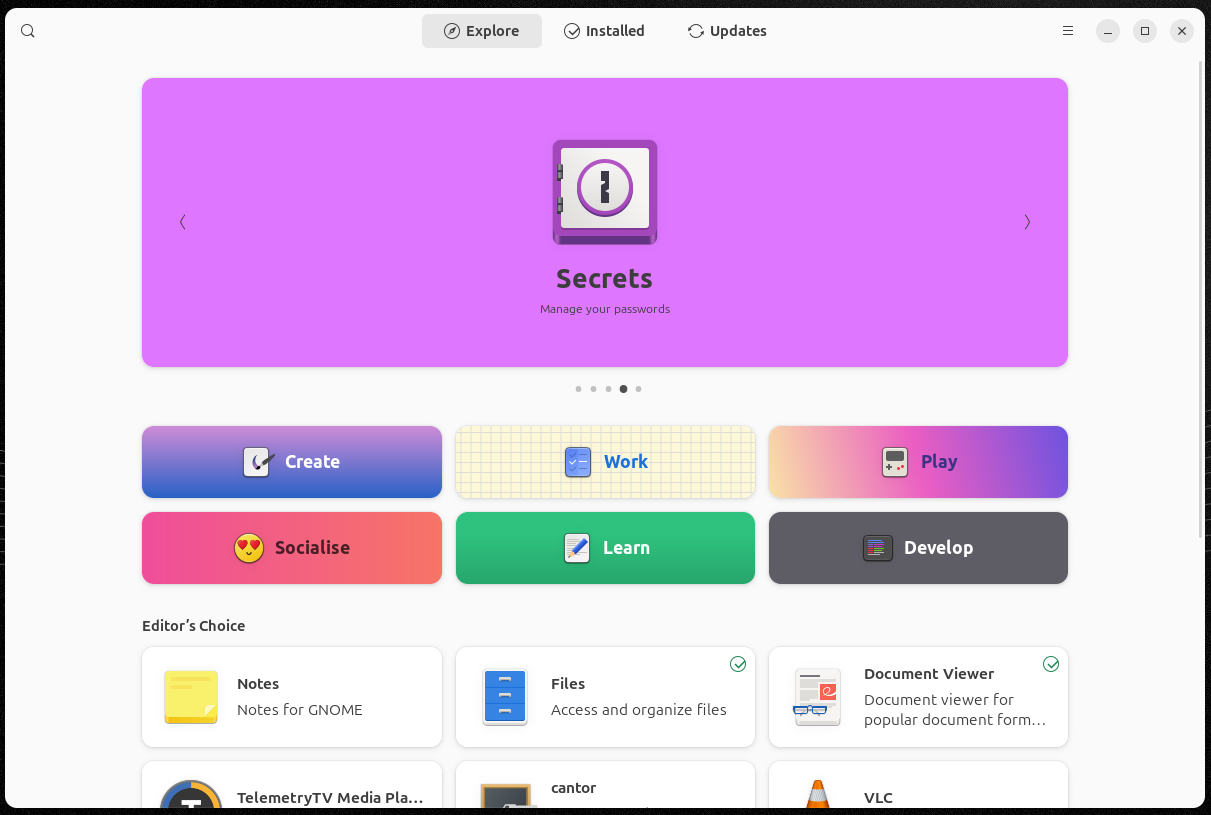
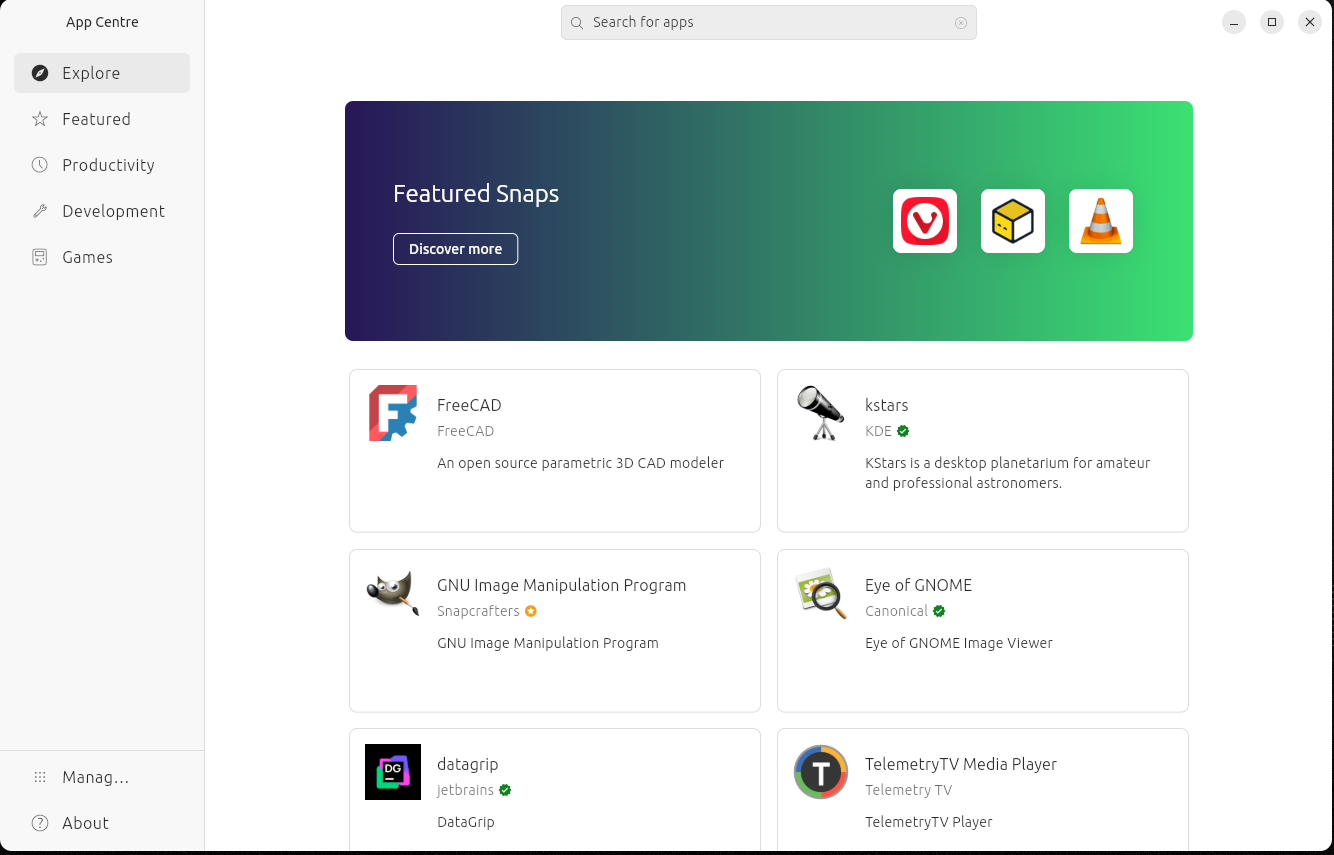
- Software Availability: Ubuntu now boasts a vast repository of software applications, making it easy to find and install the tools I need. Snap packages and Flatpak support have further expanded the available software, simplifying installation and updates.
- Performance and Stability: The performance improvements in newer Ubuntu versions are remarkable. It runs smoothly even on older hardware, and stability has improved significantly, making it a reliable choice for both personal and professional use.
- Community and Support: The Ubuntu community has grown tremendously, providing extensive documentation, forums, and support networks. This friendly community makes it easier for new users to find help and resources.
- Regular Releases and Updates: The predictable release schedule of Long Term Support (LTS) versions ensures that users have access to stable releases that receive updates for five years. This has made Ubuntu a preferred choice for long-term projects and servers.
Conclusion
Reflecting on my journey from those early days of wrestling with installation issues and software shortages to the current robust, user-friendly experience, it’s clear that Ubuntu has improved tremendously. Whether for personal use, programming, or server deployment, Ubuntu now stands as a formidable operating system that embraces innovation while staying true to its open-source roots. As I continue to explore what Ubuntu has to offer, I’m excited to see what the future holds for this remarkable platform.


 n21alpha
Leave a comment